Understanding Foam Comfort: A Layered Look at Viscoelastic Materials in Bedding
A scientifically grounded primer on viscoelastic foam, how memory foam shapes to the body, the role of temperature, and how to evaluate bedding materials in educational terms.
Memory foam, often marketed as the pinnacle of personalized comfort, sits at the intersection of polymer science, consumer health, and design innovation. Its core attribute—viscoelasticity—describes a material that is both viscous (time-dependent flow) and elastic (shape recovery). This duality enables memory foam to respond to temperature and pressure in a way that cushions curves, supports joints, and adapts to different sleeping postures. Yet beneath the soft promise lies a structured science: density, cell structure, thermal sensitivity, and the nuanced balance between softness and support that determines long-term durability and comfort.
This article blends accessible explanations with the underlying materials science, offering readers—whether students, educators, or curious adults—clear concepts, vocabulary, and the questions to ask when learning about polymer foams used in bedding. It also considers safety and environmental considerations that shape material choices, including off-gassing, VOC emissions, and the importance of certifications that attest to product quality and indoor air safety.
What is viscoelastic foam and how does it respond to heat and pressure?
Viscoelastic foam is typically a polyurethane-based polymer that exhibits both viscosity and elasticity. Viscosity allows the material to flow and deform under sustained pressure, while elasticity enables it to recover its original shape when the pressure is removed. In practical terms, when you lay on a memory foam pillow or mattress, the foam responds to the heat and weight of your body: it softens where you press and slowly returns as you change positions. This process helps distribute pressure more evenly, reducing localized stress on sensitive joints and potentially improving spinal alignment over the course of a night.
Key terms to understand in this context include:
- Density: A measure of mass per unit volume, typically expressed in kilograms per cubic meter (kg/m³). Higher density foams tend to offer more durable support and slower recovery, while lower density foams may feel plusher but degrade faster under repeated loading.
- Indentation Load Deflection (ILD) or firmness: A measure of how much force is required to compress the foam a given distance. It correlates with perceived firmness and the ability to keep the spine aligned across different sleeping positions.
- Recovery time: How quickly the foam returns to its original shape after a load is removed. Faster recovery can reduce the sensation of sinking, while slower recovery can enhance pressure relief for some sleepers.
- Open-cell structure: A foaming pattern with interconnected voids that improve air flow, contributing to breathability and cooler sleeping surfaces in some designs.
Together, these factors influence how a foam layer feels and performs day after day. In bedding, manufacturers tailor density, cell structure, and layering to achieve targeted outcomes—support where it matters, relief for common pressure points, and a balance between softness and stability.
How temperature affects performance
Temperature plays a pivotal role in viscoelastic foam behavior. At cooler temperatures, memory foam tends to feel firmer and stiffer; at warmer temperatures, it softens as the polymer chains gain mobility. This temperature-dependent response underpins the sensory experience of memory foam: the foam appears to “download” your shape as you lie on it, then slowly re-emerge as you move and reposition.
Several practical considerations arise from this temperature sensitivity:
- Thermal regulation: Some foams incorporate reflective or breathable covers, phase-change materials (PCM), or alternative foam blends to moderate heat buildup and promote a more uniformly comfortable surface. The goal is to harmonize the foam’s natural tendency to soften with mechanisms that keep the surface feeling stable across sleep cycles.
- Position and posture: Side sleepers may benefit from higher-profile foams that preserve neck alignment, while back sleepers might prefer a surface that supports the lumbar region without excessive sinking. Temperature shifts can subtly alter how this balance feels throughout the night.
- Durability and rebound: Temperature fluctuations over the life of a product can influence how slowly a memory foam returns to its original shape after repeated compression. Higher-quality foams with stable chemistry tend to perform more consistently across a range of indoor temperatures.
Safety, off-gassing, and environmental considerations
Any discussion of memory foam must reckon with concerns about off-gassing and volatile organic compounds (VOCs). Off-gassing refers to the release of gases from a product in its early life, often noticeable as a faint odor. Some visitors to bedding stores or online reviews report this phenomenon, particularly with newer foams. The intensity and duration of any odor vary with foam formulation, density, and the presence of barrier covers or ventilation during initial use.
From a safety standpoint, there are a few guiding principles readers can use when evaluating memory foam and related materials:
- Certifications and standards: Look for products that align with recognized standards and certifications. Certifications serve as independent attestations of safety assumptions, emission ratings, and material integrity.
- Material disclosures: Reputable manufacturers provide clear information about foam density, layering, and any flame retardants or additives. Transparent labeling supports informed decision-making in educational contexts and for families choosing sleep surfaces.
- Indoor air quality considerations: In households with sensitive individuals, it is prudent to ventilate new bedding surfaces for a period before extensive use. A breathable cover and a fitted sheet can help create a healthier microclimate in the sleeping environment.
Beyond personal safety, environmental considerations shape material development and consumer choice. Plant-based, bio-based, or low-emission foams are areas of ongoing research, exploring the balance between performance, cost, and environmental impact. For students and educators, this broader context invites examination of lifecycle analyses, recycling routes, and potential end-of-life strategies for foam products.
Evaluating memory foam quality in educational terms
Approaching memory foam as a learning topic involves a structured set of questions and tests that can be explained in classroom-friendly terms. While students should not conduct hazardous lab experiments at home, there are safe, illustrative ways to grasp the core ideas:
- Concepts to define: density, firmness, viscoelasticity, hysteresis (the energy loss in a cycle of loading and unloading), and thermal sensitivity. Understanding these terms helps students translate product descriptions into educated assessments.
- Simple demonstrations: Use everyday objects with different densities or firmness to illustrate how materials deform under weight and recover after removal. While not a direct substitute for polymer analysis, such demonstrations can anchor intuition about viscoelastic response.
- Conceptual testing ideas: Consider questions like: How does the foam respond when it is pressed for short vs. long periods? How does temperature appear to influence the rate at which the material returns to shape? How might different pillow heights influence neck curvature?
- Safety and ethics: Compare labeling claims, the presence of VOC-related information, and references to independent testing. Encourage learners to seek credible sources and cross-check data with standards or peer-reviewed publications.
In educational writing, the emphasis is on clarity, accuracy, and accessibility. The goal is to connect polymer science to real-world bedding experiences without sacrificing rigor or encouraging unsupported marketing narratives. By presenting the science alongside practical considerations, readers gain a nuanced understanding of why memory foam behaves as it does and how to think critically about material choices.
Contextualizing memory foam within broader bedding materials
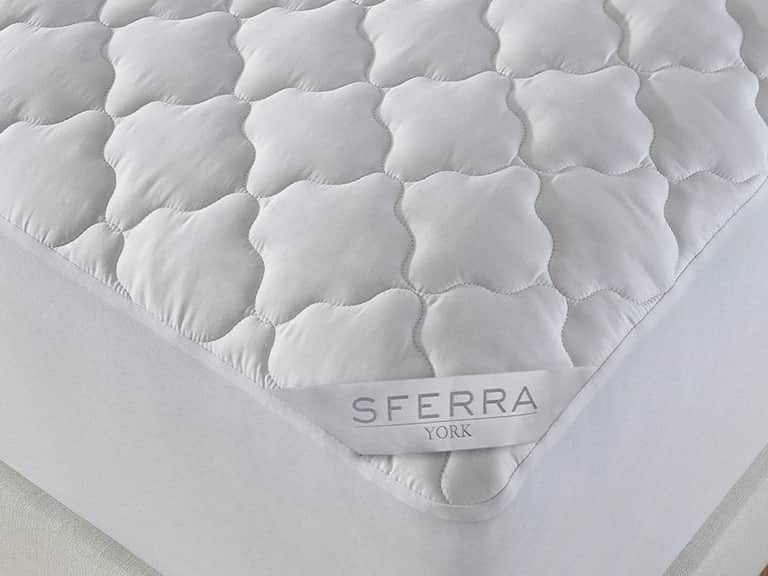
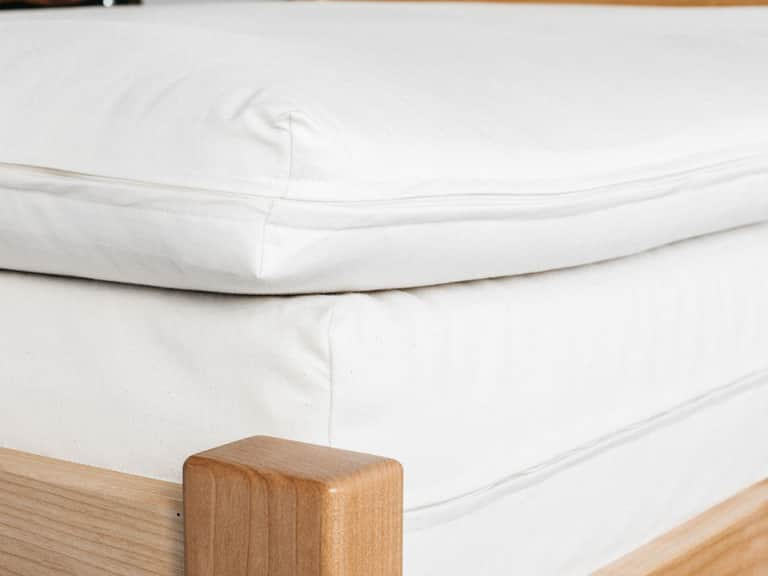
Memory foam does not exist in isolation. It is commonly combined with breathable covers, latex layers, and other supportive materials to form composite mattresses and pillows. This layered approach can address multiple design goals: cooling, contouring, durability, and ease of maintenance. In teaching contexts, diagrams and labeled cross-sections can illuminate how layers interact—the way a top cover interacts with a viscoelastic core, or how a foam layer stacks with latex or coil systems to optimize support and airflow.
Understanding these interactions helps students recognize that performance is not a single property but a holistic balance of materials science, product engineering, and human factors. It also clarifies why two products labeled as memory foam may feel quite different: density, cell structure, layering, and cover design all shape the final experience.
A primer for exploring “natural memory foam” as a concept
The phrase “natural memory foam” invites exploration rather than a blanket assumption. In educational discourse, it can serve as a springboard to discuss what “natural” can mean in the context of polymer science: bio-based feedstocks, reduced volatile emissions, and alternative formulations that aim to minimize environmental impact while preserving core viscoelastic properties. Readers should distinguish between marketing language and material science realities, using credible sources and certifications to verify any claims about natural content or eco-friendly production.
Conceptually, natural or low-emission variants may involve plant-based polyols, alternative blowing agents, or additives designed to reduce outgassing. In practice, the existence and performance of such variants depend on manufacturing choices, regulatory standards, and ongoing material research. For students, the key takeaway is that materials science continually evolves toward greater safety and sustainability, often through iterative refinement rather than abrupt shifts in formulations.
Case study: educational framing of a memory foam product
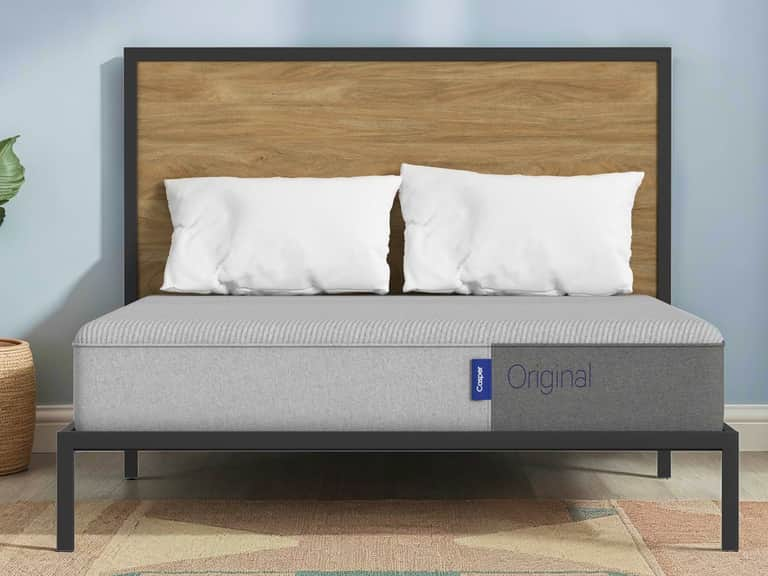
To illustrate how the concepts come alive in a real product context, consider a memory foam mattress designed with a three-zone support system and a breathable top layer. The three-zone approach targets distinct regions of the body—typically the shoulders, hips, and lower back—crafting a profile that aligns the spine while accommodating individual body shapes. A breathable top layer can mitigate heat buildup, complementing the foam’s intrinsic thermal sensitivity. In an educational setting, such a product provides a concrete example for discussing how layering, density distribution, and surface finishes interact to deliver comfort and support.
For readers pursuing deeper learning, a guided reading list might include primary sources in polymer science, standards organizations that publish emissions data, and peer-reviewed research on viscoelastic polyurethane foams. The aim is to cultivate a habit of citing reliable sources and to demonstrate how theory translates into consumer experiences without losing sight of safety and sustainability considerations.
A concise guide to evaluating foam quality (educational terms)
When evaluating memory foam in an educational context, consider a checklist that foregrounds fundamentals rather than marketing rhetoric:
Compare foam density values to gauge durability and support longevity. - Firmness profile: Assess whether the surface supports the spine in various positions, keeping in mind that individual preferences differ.
- Thermal behavior: Consider how temperature might influence feel and recovery in different climates or sleep environments.
- Airflow and breathability: Look for open-cell structures or additional cooling features in the top layer or cover.
- Safety and emissions: Check for independent testing data, certifications, and disclosures about VOCs and off-gassing.
This structured approach helps learners move from product descriptions to analytical thinking, a core objective of educational science communication. By anchoring discussion in accessible terms and evidence, the article remains informative and trustworthy.
A note on the site’s content direction and reader value
This piece situates viscoelastic foam within a broader discourse about materials science, safety, and education. It emphasizes clarity, accuracy, and accessibility, mirroring the best practices of science communication in a viewer-friendly format. While the focus is on understanding, readers are encouraged to consult credible standards, seek out independent testing, and consider the environmental footprints of material choices as part of a holistic learning journey.
As with all educational materials, the aim is to empower readers to ask informed questions, evaluate claims critically, and connect theoretical concepts to everyday experiences—such as the feel of a memory foam pillow or the comfort of a well-designed mattress—without succumbing to marketing hype.
Product note: relevant bedding offers that align with educational themes
In keeping with an educational and non-promotional approach, this article references bedding products only when they meaningfully illustrate a material concept. For example, a mattress or mattress topper that showcases a layered approach—such as high-density memory foam with a breathable top layer—can serve as a practical, real-world reference for discussing heat management, contouring, and durability. Where applicable, product links point to pages that describe material composition and performance claims in a non-commercial, informational context.
For readers seeking concrete examples that illustrate viscoelastic principles, one such product example is a memory foam mattress featuring a zoned support system and airflow-enhancing covers. This combination helps translate abstract material properties into tangible design outcomes, reinforcing the link between science and sleep quality.
Conclusion: bridging science and sleep
Viscoelastic memory foam embodies a carefully balanced material system where chemistry, physics, and human factors converge. Its response to heat and pressure is not merely a marketing trope but a real-world phenomenon grounded in polymer science. The temperature dependence of viscoelastic behavior, the role of density and cell structure, and the safety and environmental considerations surrounding VOCs and off-gassing—all of these elements shape how memory foam performs in bedding applications.
For students, educators, and curious readers, the layered understanding of foam comfort invites a broader appreciation for how materials science informs everyday products. In the pages that follow, readers can explore explanations, glossaries, and timelines that demystify viscoelastic polymers, while also offering a framework for evaluating bedding materials with rigor and intellectual curiosity.