 Table
Foam Housse
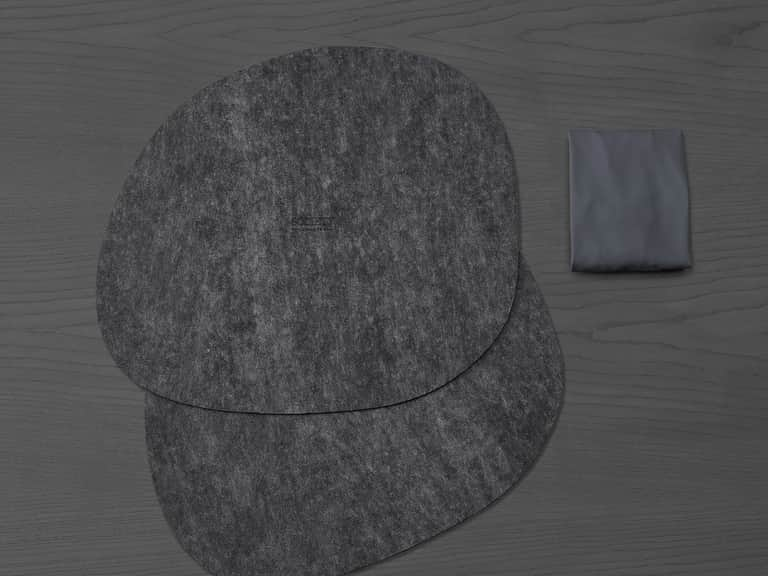
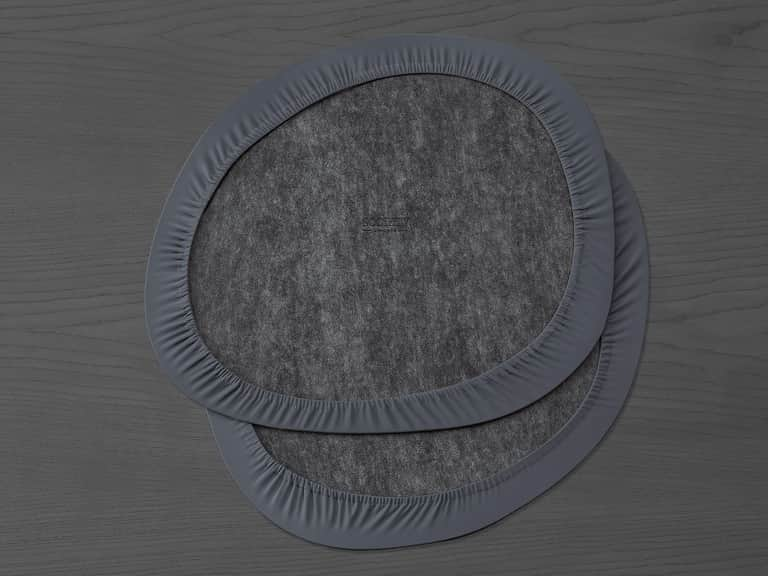
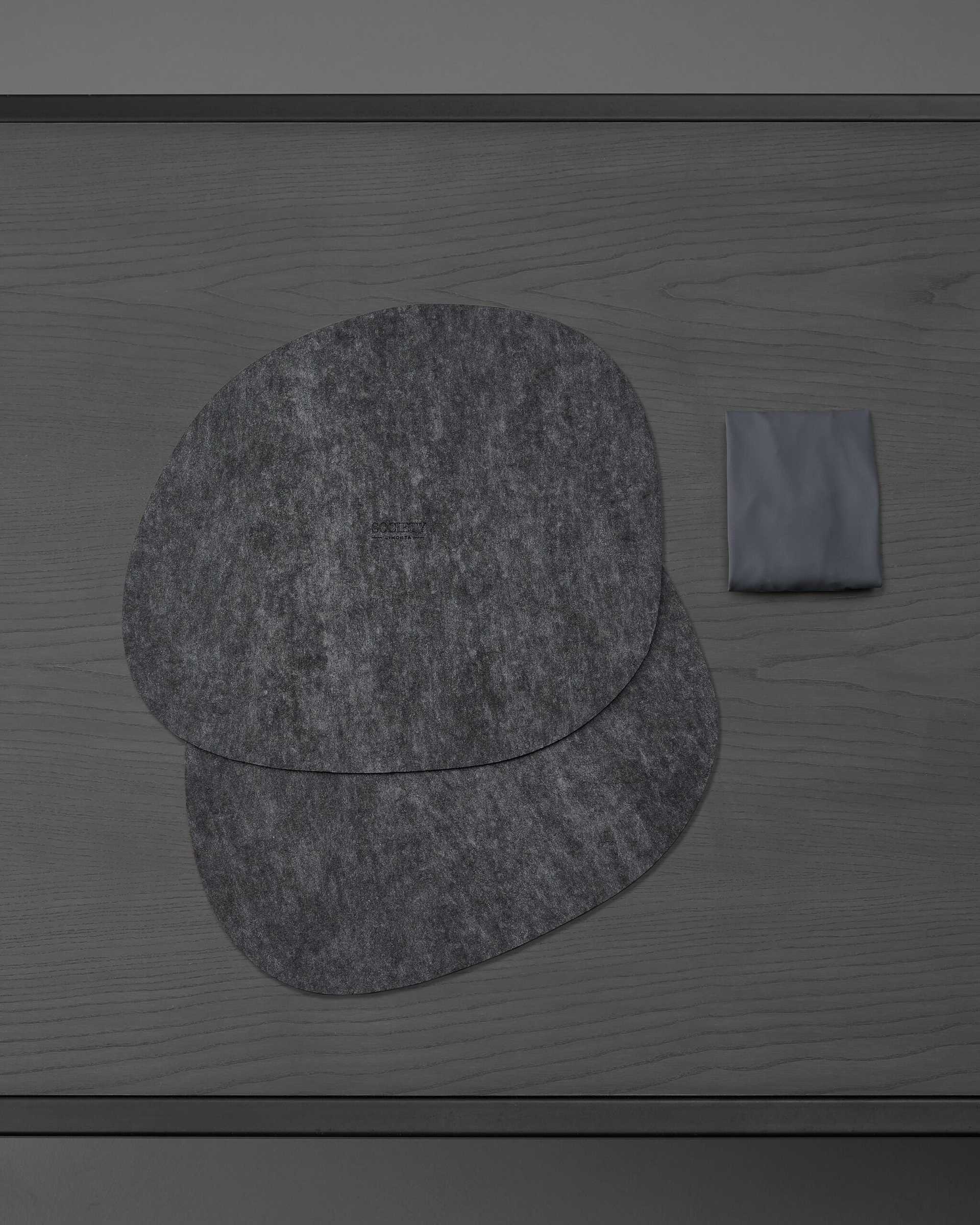
Refresh your table with easy-clean recycled nylon covers—two stylish, durable placemats that look great and wick away messes. Simple wash, ready for every meal, while helping the planet.
Placemats play a key role in dining and workspace settings by protecting surfaces and enhancing aesthetics with functional materials. In this category, foam placemats offer lightweight, durable options that resist moisture and heat while remaining easy to clean. Understanding material composition helps identify suitability for everyday use and occasional spills or stains.
Foam placemats provide cushioning to reduce surface vibrations and protect tabletops from impact or scratches. Their pliable nature allows for easy storage and quick deployment, making them practical for households with varying table sizes. Durability and resilience are important features, ensuring long-term performance under regular daily use.
Foam Housse and Foam Housse models emphasize protective utility with layered construction that can resist liquids and maintain shape over time. These placemats typically feature antimicrobial or wipe-clean surfaces, supporting hygienic dining and work environments. The foam core contributes to flexibility, enabling contouring around irregular surfaces.
Foam Placemats variants combine a smooth surface with a gentle run-off edge to minimize snagging on textiles. They are compatible with standard dinnerware and utensils, while offering insulation to keep meals comfortable. When considering usage, look for thickness, non-slip backing, and ease of maintenance to sustain clarity and longevity.
In the broader bedding and comfort context, materials like memory foam, organic mattresses, and latex are relevant for complementary sleep-related products. While these placemats are designed for surface protection, their foam composition aligns with nearby considerations in comfort and support, contributing to a cohesive approach to healthy, low-maintenance environments.
Table
 Table
 Table
 Table